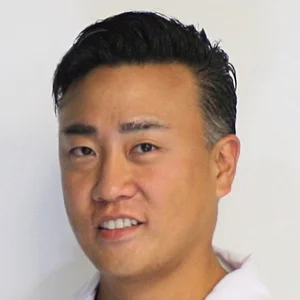
S06E129 BISON 15 - How A Surgeon Uses CrossFit To Stay Sharp In The OR - Dr. Ephrem Olweny MD
We sit down with Dr. Ephrem Olweny MD @eo7691 a urologist and CrossFitter, to connect the dots between early morning training, surgical pressure, and long-term health. We talk about persistence, smart routines, and the small choices that keep you sharp in the gym and in the operating room.
• why CrossFit feels like a “big case” mentally and how that challenge builds focus
• how group training and coaching improve consistency and confidence
• adapting to a more competitive gym, and leaning on community
• making 5 a.m. workouts work with kids, call schedules, and discipline over motivation
#crossfitcoach #CrossFitCommunity @CrossFitAffiliates #supportyourlocalbox #crossfitaffiliate #gymowner #HealthyLiving #GymLife #CrossFit #FitnessJourney #BotoxAndBurpees #podcast @botoxandburpeespodcast @crossfitbison @crossfit
#crossfitcoach #CrossFitCommunity @CrossFitAffiliates #supportyourlocalbox #crossfitaffiliate #gymowner #HealthyLiving #GymLife #CrossFit #FitnessJourney #BotoxAndBurpees #podcast @botoxandburpeespodcast @crossfitbison @crossfit
Click on your podcast site to listen and subscribe!


TRANSCRIPT
Sam Rhee (00:01.006)
Hello, welcome to another episode of Botox and Burpees the Bison fifteen. I have with me, I'm very excited about this one. I have with me Dr. Ephraim Olwaini. He is a urologist. So he is a fellow surgeon and I was just talking to him. I don't think, other than an ortho guy who is no longer at the gym now, he might be the only other surgeon actually at Bison, which makes me very excited. and I'm kind of excited to commiserate a little bit about, you know.
surgery and everything like that. but he has been a CrossFitter for about two and a half years. And I first I really kind of got to know you more like last year at the Christmas party, like the holiday party a little bit. We were talking a little bit, found out, you know, met your wife, talked a little bit, and you have a lot of you're like a very interesting guy for a lot of reasons. But first of all, thank you. I no, all good.
But thank you. I mean, I I hate when people call me doctor all the time, but I will say thank you, Doctor Alway, for doing the podcast, for being my guest. But Ephraim, it's it's been a pleasure to see you at the gym and to work out with you and and to hang out with you so far.
Ephrem Olweny (01:21.336)
Yeah, thank thanks so much for having me. It's been a pleasure and you're absolutely right. I don't like being called doctor outside of work. So for all the CrossFit Python guys out there, everybody else outside of work it's just Ephraim. Just a regular guy. All right. But thanks for having me. Right.
Sam Rhee (01:26.593)
Yeah.
Sam Rhee (01:32.514)
That's right. That's right. I love that. I pr no, I appreciate it. And yeah, I didn't even know you were urologist until like, I don't know, probably like two months or three months into like you being at bison, which I don't really know what anyone does. but I'm glad you're not one of those guys who like there's some guys who wear their outside life on the inside at the gym and I always appreciate when I get to know them first as as
people that I work out with and fellow athletes and that makes that makes me happy when I when I get to know them first that way. But Ephraim, tell me a little bit about your CrossFit start story. How the heck did you get into CrossFit two and a half years ago?
Ephrem Olweny (02:17.346)
Yeah, it's sort of an interesting story because so the my wife actually used to do CrossFit like years ago. And that was sort of when CrossFit I think was just emerging and she you know, I would actually make fun of her, interestingly, for for for doing it because I think in the early days of CrossFit
There was this sort of perception that it was sort of like cult like, you know, she was doing it in some guy's garage gym or whatever. And but in any case, I got involved interestingly most mostly because of a scheduling issues. So I would always try to get some exercise in. Exercise has has been something that always had a way of
balancing me, grounding me. So through challenging residencies and fellowships, a lot of times before a big case that I'm stressed about, I would like to go off for a run back in the days when my knees were fine or do some sort of exercise the day before, get a good night's rest. And
So and then it had because of my difficulty getting to the gym outside of work, you know, finish late, you're exhausted. I sort of switched my routine to working out in the mornings and just wanted to do a workout early enough that I could do it very early in the morning and and and get to work. And the gym that I was with, so
I I moved back to New Jersey from Chicago or just outside of Chicago just a year ago. And I was at a gym out there in in the Chicago area that used to have early morning classes and then they scrapped them. So it just interestingly was looking around to see what gym I could join that had early morning workouts and and my wife suggested, Hey, why don't why not try CrossFit? And I thought about it this time and I said, sure, let's give it a whirl. And that's interestingly how it started.
Ephrem Olweny (04:19.898)
Started and that being said, I was instantly hooked w once I got going with it.
Sam Rhee (04:25.427)
do you remember the name of the gym, in Illinois that you're at?
Ephrem Olweny (04:28.856)
CrossFit Spiro. It's in Oak Park, yeah. It's just just outside of Chicago. It's a s a western suburb of Chicago. Yeah.
Sam Rhee (04:30.157)
Spira? Okay.
Sam Rhee (04:36.073)
Okay. And then did you grow up with athletics? Like were you an athletic kid? Like what did you do when you were younger?
Ephrem Olweny (04:44.554)
Anything but, believe it or not. So it it's sort of interesting, you know. I've I've never been someone who's seen myself as any kind of an athlete. So I mean, I was actually as a kid, I I suffered a lot from asthma. So I was in and out of hospitals, I was this, you know, weak, sickly kid everyone made fun of.
but that being said, so I I grew up in in East Africa. I was born in Uganda actually, and I I I grew up in Kenya. And in in that part of the world, like in high school, mostly the high schools are boarding high schools. so they're separated by gender. There's there's boys' boarding schools and and girls' schools. And the the school I went to
was a pretty regimented place where athletics were mandatory. So love hate good at them, not good at them, everyone had to do it. And we we instead of semesters we called them school terms. So it'd sort of be like the first term, everyone did cross country. And the the school principal, you know, would parade and
principal and deputy principal would address the school at the front. So half the school would split up that go do farm work. This was after classes usually. So half the school went on a cross country run, the other half did farm work and then they switched so you go three or four runs and and the rule was if you're not a cripple, lit this is literally how our deputy principal put it, if you're not a cripple, you're fit for cross country. So go to it. And you you had to go out there.
Forget, I think it was something like an eight K run. There were a bus, you had to be back in half an hour you got an extra run on Saturday. So that was him motivated. So fair to say I got a lot of extra runs. I still never got good at and then the s the second term, everybody did track and build. So
Ephrem Olweny (06:46.594)
You all did different track events. And then the third term, you know, you just picked a sport. That's most people did soccer, there was handball and rugby were the other two common favorite sports. So I guess that was my introduction to any kind of sports and staying active. It was it was sort of like a mandatory thing that was imposed on us growing up, interestingly enough.
And and then I I I think I I just found the benefit of it. So as I got into medicine and medical school, I I don't need to tell you, you know, residence it was pretty brutal, you know, s long trolling hours, etcetera. th working out, just staying active was sort of the way to you know find s some grounding and and bounds. It's you know, I would
mostly just do gyms, regular gym stuff, you know, some weights informally, go for a run or use the treadmill kind of thing. That was most of my working out that I did for many, many years before I found CrossFit.
Sam Rhee (07:48.174)
Well, I never worked out in medical school or residency. You were much better than I was. I was a lazy, I I could barely survive. I if I got home and just ate crap like crap and got up and went back to work the next day, I I f I called that a win. So I think you had a better base in terms of your fitness experience before CrossFit than me. so but where did you where did
Ephrem Olweny (07:55.458)
Well
Ephrem Olweny (08:13.538)
Yeah. Yeah.
Sam Rhee (08:16.427)
I don't even know. Where did you do your residency? Where'd you go to med school anyway?
Ephrem Olweny (08:20.45)
So I went to med school at Washington University in Saint Louis, Missouri and then I was at UCSF, San Francisco for residency excuse me. Right.
Sam Rhee (08:23.177)
Okay. Okay. Wow. Holy cow. my god. How'd you get from where you were growing up to wash you for medical school? That's insane.
Ephrem Olweny (08:37.89)
Another crazy story. So to wash you, yeah, that was that was an interesting story in and of itself. So back then, to date myself, I mean I'm 50, so this this is many decades ago. when I came to college, I I I almost always knew that I wanted to do medicine. I didn't know what field or anything just yet.
Sam Rhee (08:54.166)
Uhhuh.
Ephrem Olweny (09:02.732)
But it was challenging in the sense that as a forward student, i it was everyone told me this was next to impossible. You know, you the i Right, right. It was you know, said Plan B, like your college advisor is basically telling you, please get a plan B because this isn't gonna work out. Now
Sam Rhee (09:13.151)
It is next to it's literally next to impossible.
Sam Rhee (09:24.855)
Mm-hmm.
Ephrem Olweny (09:26.106)
Out, it was I was very stubborn and hard-headed. So I said, Well, what do I gotta lose? I'm gonna go for it anyhow, which is exactly what I did. so even if you were able to get in, then funding it was was an issue. So they said, Well, at the time there were no financial aid options for you know people who weren't green card holders or citizens, that there were no loan options, even
My stubborn attitude at the time is I'll cross that bridge when I get to it. So I I went all in, I applied.
a lot of state schools weren't taking foreign students at all. So I said, Well, I guess I'll apply to the private schools and I literally got a list of the top private schools and applied to all of them. And I I got in a wash you and the you know, and then I f I faced the obstacle everyone warned about. I couldn't pay for it. You know, they they their policy was to
c basically pay for all four years up front because they didn't want to have any unternity. So I said, well, I don't have that kind of money. So I I I took time off and did research. So I was gonna try to figure this out somehow. And that's how I got into urology. So my research mentor, who I found again through a completely chance encounter, just happened to be a urologist and a great guy, phenomenal human being and surgeon and mentor who I'm still in touch with, but
Sam Rhee (10:56.151)
Mm-hmm.
Ephrem Olweny (10:57.416)
influenced me strongly. long story short, I worked on getting my green card during my time in the research lab. I th that's how I I started school. Foot thankfully WashU held my spot th those two years. you know, the second year was probably the last year they could they could sort of defer it before I had to to give it up. And yeah.
Sam Rhee (10:59.104)
Mm-hmm.
Mm-hmm.
Sam Rhee (11:08.781)
Mm.
Sam Rhee (11:16.993)
That is like so if I don't know if everyone knows, but first of all, like er I think everyone knows how hard it is to get into medical school, just in general, right? Like like that's that is a an accomplishment in and of itself. But to come to be an international student and to get into a place like Washi, which is a top ten medical school, is absolutely unheard of. Like, I don't know what was on your resume, but it must have been like
has the ability to cure cancer or something like that on there 'cause there's a there's no other way people are gonna, you know, like perfect on everything or something like that, because that's that's amazing. Like that's like I don't think you could understate like, you know, if you bought a lotto ticket, you probably had a better chance to, you know, to get to where you were. So that's the so kudos to you. I I can only imagine how much hard work and effort you put into that.
Ephrem Olweny (11:50.99)
Actually, sorry.
Sam Rhee (12:16.833)
The other thing is support like so urology. that's a great specialty. I thought about it for like literally thirty seconds. and the reason why I loved urology, I mean, I I think if you love surgery, you love all types of surgery, right? Like I rotated through all my s yeah, I I loved all Yes.
Ephrem Olweny (12:35.622)
a hundred percent. Right. I rotated out on plastics too. I loved it. I those those it was between urology and plastics for me, frankly. So it's a shame. Right.
Sam Rhee (12:43.211)
Yeah. Absolutely. I think all of us who do surgery really can appreciate all all facets of surgery. And and I and I think I told you this, but I my experience with urology in medical school, there was a and I every urologist I've talked to has said the same thing. Like the chairman of urology at Columbia was a character. He was like infamous, probably even now, even though that was like twenty, thirty years ago.
His name was Dr. Carl Olson. And what was so memorable about him, one of the things was he had a wooden leg. Like he had not like a prosthetic, like a real nice anatomic looking. No, it was literally a table leg, like that a d like like a dog had chewed on, like it had marks on it. And he would walk around the hospital like on this leg. And that was a one thing that was memorable. The other thing was he.
Ephrem Olweny (13:23.906)
The touchable, right.
Yeah.
Sam Rhee (13:40.79)
yelled at the residents like you couldn't believe. Like he it was like unmitigated verbal abuse for hours in the OR. Like back then, I mean now you guys do this very, very it's very cool how much minimally invasive slash robotic stuff you guys do. But one of the things that was really tough that I th I thought was really hard and challenging about urology is that a lot of the surgery is very narrow. Like the pelvis is a really tight, narrow space and they were just like
Operating way down deep in this hole and the dexterity that they needed in order to like do these prostatectomies and these surgery. It was bloody, it was challenging, it took a lot of skill. Like these guys were like real surgeons. Like it wasn't bullshit surgery. It was like very challenging surgery. And I remember as a medical student, I would I would watch this, and then I would also watch the chief resident just get like.
tortured by Dr. Olson, like just he Dr. Olson would just like yell at these guys, You suck, you're never gonna get a job. What the a like just verbal abuse. Then he was nice to the medical students. He's like, Yeah, you're doing great. How are you? Blah, blah, blah. And then he would just like go back to yelling at the chief resident. And so so I I really I thought urology was awesome. I thought the surgery was really almost too hard in in terms of like what I would need to learn how to do as a surgical skill.
But what was it about urology and the surgery itself that made it so appealing to you?
Ephrem Olweny (15:13.998)
So it was actually the technology. So my mentor, the guy I did research with between med school and residency, his name is Ralph Klayman, which probably means nothing, but he he's the guy credited with doing the first laparoscopic nephrectomy in the in the in the world. So that was a time when sort of the minimal invasive revolution was taken off. Now we have we do everything robotically, but laparoscopy, which is this chopstick surgery you do you no
Sam Rhee (15:21.857)
Mm-hmm. Mm-hmm.
Sam Rhee (15:27.919)
Yeah.
Ephrem Olweny (15:43.818)
Still with tiny little instruments. It's sort of like it came and went. Its heyday was like the mid 90s to like 2005, and then robotics took off took over after that. but in any case, his lab was very active. it was a live animal lab. this might bother some of the listeners, but developing a lot of the techniques in in a pig bottle, you know, in terms of
Sam Rhee (15:50.709)
Mm. Mm-hmm.
Mm-hmm.
Sam Rhee (16:09.335)
Mm-hmm.
Ephrem Olweny (16:12.47)
Endoscopic stone surgeries, leparoscopic procedures, developing devices, etc. It was pretty fascinating stuff. And it was a character itself. I mean, you know, the the yelling, the berating, the verbal abuse, that was an era that no longer exists exists, but that's the era that we all grew up in. I mean, Carl Olsen was a guy, Ralph Claim was very similar. But like, you know, I'd heard for good people. Like afterwards, just like, yeah, you know, I don't take any of that personally. You could have a beer with a guy, you know, it was all good.
Sam Rhee (16:40.894)
Mm-hmm. Mm-hmm.
Ephrem Olweny (16:42.524)
But it was it was a very sort of high octane, high stress trending environment. So I got fascinated. I actually before I started medical school, I I knew how to operate. I I learned from him. I was this was in animal models, but I was doing you know laparoscopic and endoscopic procedures, and I thought it was the coolest thing. So when I was trying to decide on a specialty after that, I
Sam Rhee (16:55.701)
Mm-hmm. Mm-hmm.
Sam Rhee (17:03.853)
Mm-hmm.
Sam Rhee (17:08.439)
Mm-hmm.
Ephrem Olweny (17:12.304)
I I I already knew I wanted to do surgery, but I tried a bunch of different things. And I you know, I think like I said, a lot of surgery, the basic principles are essentially the same. You know, what differs is the part of the body that you operate on, and I guess the people that you work with. So I for me the default was urology, but I explored other areas and I just came right back to urology ultimately.
Sam Rhee (17:37.506)
Yeah. I mean, I remember the I I mean, you're right. That was the when I was training all the laparoscopic gallbladders, you know, all the lapapies, the lap collectomies started to come into f into foreplay and into the forefront and now it's like you said, all robotics. But you guys developed so many of the advanced techniques, that all surgeons use today. I think urology probably was at the forefront of all of that because
Because the surgery just was in such a narrow and small area that it it it just lent itself to being the more minimally evasive you could be, the better access, the more freedom of motion in terms of surgical movement. unfortunately or fortunately, plastic surgery has very few robotic or laparoscopic applications. We're still doing it the way we did, you know, because everything's just right on the surface. Yeah. So I mean, what we I mean, it's that hasn't changed. So I I am
Ephrem Olweny (18:06.51)
Right.
Ephrem Olweny (18:28.206)
Everything, right? Right.
Sam Rhee (18:34.903)
technologically impaired when it comes to that. But but I see you guys and I I think it's very cool. The other thing is I will have to say Dr. Olson, all of his trainees went on to bigger and better things. They were amazing. McKiernan I think is now he was like head yeah he was heading Columbia for a while. and stifleman I think was at hat he's at Hackensack. I don't know. He's like some yeah there you go. So he I listen dude I watch Stifleman get yelled at
Ephrem Olweny (18:49.048)
Yeah, that's right.
Ephrem Olweny (18:56.642)
His his b his my boss, that's my chair. Yeah, yeah, right. interesting. boy. Yeah. Right.
Sam Rhee (19:03.837)
So bad. my God. Yes. He was a very nice chief resident, but I was a medical student at the time, and he would just get destroyed. So so they all survived. They they got tougher and and they went on to and like you, they went on to greater things. So it was just the way it was back back in the day. so so at this point I've seen you CrossFit and you're a pretty good CrossFitter. you're tall, which well, the thing is you're tall.
Ephrem Olweny (19:12.542)
All did, yeah, right.
Ephrem Olweny (19:28.376)
Really? Thank you. Okay.
Sam Rhee (19:30.559)
So that puts you at a disadvantage 'cause obviously tall people don't you know, it's a little bit harder for some of the movements because of your lever arms and all that. But what do you enjoy now? I mean, I see you at five AM. I mean I I assume you have some seven thirty cases a bunch of days or whatever. So what is it about CrossFit that appeals to you and that you stuck t with now?
Ephrem Olweny (19:55.084)
Yeah, I I I've been thinking about that a little bit. I think I think a lot of it has to do with the challenge. So you know, when I started CrossFit, first of all I I I did sort of the intro. I I found it pretty intimidating. You know, I I walked in the gym, see guys like putting up some massive weights, you know, this very highly complex movement so it's like, holy smokes. You know, and so then you start doing it little by little and I was terrible at it. I mean I
appreciate the the compliment there. I've never really I mean I I feel like I'm growing and and making progress. I don't think I've ever thought of myself as a great Crossfitter, but I feel like I'm making progress. I mean I was yeah I I think already advanced in age when I started it. So so part of me feels like I w I wish I started a little bit younger. But it's the challenge of it. You know, you show up on any given day
Frankly, you have that level at least I had and still have to some degree. There's this little bit of an intimidation factor. It's kinda like when you're walking into a big case and you're like, boy, how's this day gonna go? You know, and it's gonna be a challenge and and so you're like, Am I gonna able to pull this off? You know, how far can I go? Like to to what degree? And so that that I think keeps you sharp. It's like you know, it's another you know, I'm gonna you know, pound it out.
Sam Rhee (20:59.604)
Mm-hmm.
Ephrem Olweny (21:14.07)
treadmill for another twenty minutes. It's boring as heck. and then
The camaraderie like the the the the the I love the the group fitness concept, you know, everyone's sort of cheering each other on, everyone's you know, pushing their limits to some degree and and having, you know, coaching stuff like you and just you know everybody else advice and so and then yeah, I mean it's it's pushing yourself out of your comfort zone. So it's you know they it your range of different exercises that you do is is far greater.
Than any exercise regimen I've been a part of. You know, it's like there's the lifting component, there's the gymnastics piece, there's the cardio, there's the running, the rowing, the skis, biking, and you know, pushing sleds and all this stuff. So it's it's it's such a wide variety of functional movements. And I I I enjoy the challenge. I I think it it it it gives your body
basically an inch in sort of in in good running shape. And I will say that after decades, you know, even though I was sort of exercising, I mean, I I I don't think the exercise I did before was anywhere near as intense. I I I mostly b sort of did it for if anything, the
the the mental endurance if you speak. And and that's an added benefit of CrossFit, believe it not. Like it's it almost like it it makes you sharper and it it makes you have greater endurance in in in my line of work. Yeah. If I have sort of long crueling days, it's it's it's they're far more doable and manageable after a workout, believe it or not paradoxically now if I if I know I'm gonna have a particularly long day, I won't go crazy in the gym and then completely like
Ephrem Olweny (23:04.044)
you know, flame out by like three PM. Got like several more hours absurd to do. but on the flip side it it it it's I I think because your physiology changes somehow, you've got better blood flow, you're you're just more focused, more energetic, etc. So I I find that this is a huge mental benefit to the workouts, physical benefits obviously, and just
you know, keeping yourself guessing, you know, ch challenging yourself. Or and the fourth thing is after sort of like decades of poor posture, whether it's hunched over a table, sitting or whatever, you know, all your joints stiffen up. I I used to very much dislike gymnastics, cause as soon as I got on that rig, I mean everything, you you just everything screamed at you. That's there was no hiding from like how stiff you are, you know, when you're when you're driving that rig.
And interestingly, you know, I just keep pushing at it, you know, doing it, and and my shoulders and and all all mostly my shoulders, I would say, are are the most supple they've been in in years. So when you start seeing the benefits and and you make those gradual progressions, it's it's that positive feedback. So you feel like you want to keep improving. And so which is again, not like any exercise regimen I've ever previously been a part of.
Sam Rhee (24:31.563)
You have said a lot of stuff that just resonated with me. The first for sure is like, Yeah, there there is an anticipation before a big case that is very similar to a workout when you're sitting there and you're like, my god, like, you know, whatever it is, 21159 of this, like how am I going to do? Or whether you approach your five by five back squat or this, like you don't know exact like you're
Ephrem Olweny (24:54.318)
Mm-hmm.
Sam Rhee (25:00.511)
you're challenging yourself if you're doing it right. Like you're like you there is I don't wanna say fear, but there is definitely an an anticipation about the challenge that you're about to face. And I do s I feel so similarly like you do before big case. And then almost unfortunately now almost every workout I'm like shit, how am I gonna do on this? I don't know exactly. Let's let's give it a shot on this workout and let's let's let's let's go. and
Ephrem Olweny (25:02.498)
Right. Right.
Sam Rhee (25:28.853)
you are by yourself in both situations. Like when you're operating, there's no like when you're the attending, no one's there to help you. You're you are in it. You're taking responsibility for that. And y yeah, the buck stops with you. And whether you get yourself into trouble and need to get yourself out, like it's on you. Say you know, that is an awesome responsibility that I've come to appreciate more and more over the years. A as opposed to a resident who just wants to do every cool case that's that's around.
Ephrem Olweny (25:39.488)
Stops with you, right?
Sam Rhee (25:56.118)
And then without knowing, like understanding that sense of it. And then also with workouts, like, you are only as good as what you push yourself or decide what you want to do that day. And and so so that type of responsibility is very important and I and that speaks to me for sure. I agree that I feel like most surgeons have terrible long term chronic issues because of
poor ergonomics. Like we all sit like in surgery hunched or maybe the table's too for you, probably as a tall guy, like operating in residency where everyone kept the table low, like you were probably dying. For me, I had to s I had to step on like four step stools to get up to the height that the the
Ephrem Olweny (26:36.802)
Yeah. Yeah.
Ephrem Olweny (26:43.266)
Well, I've I've had mentors that didn't raise the table. It's like, you know what, just y suck it off. So you it's a lot of like egos and stuff, so you're right. I'm like, you know, legs wider.
Sam Rhee (26:49.217)
That's th that you're right. I I I would I would sit there on yes, I would sit there on four four ta like two step stools and then if I had to move around the other side I'd have to ask the circulator to move the the step stools with me and yeah, the attending is the boss, so they don't really care what what what happens for the assistance. But so everyone has really poor posture, everyone has like terrible mobility and I agree with you that CrossFit I think really inc increases the longevity
if you do it right in terms of like your function, your capabilities. And it it even if my mobility isn't great, it makes me more aware of it so I can work on it. and so I keep working on mo my mobility. And like you said, shoulders for sure, and all of that. So what is your favorite movement at this point? What do you like, what kind of workouts do you really enjoy in CrossFit at this point? And what do you hate? Let me also find out what you hate.
Ephrem Olweny (27:46.218)
I I I liked lifting. I so deadlifts are something that I feel like I had very little training to do. I was just like picking up the weight, so that's easy. There's there's not a lot I mean I I I don't want to say there's no technical elements to it. You you there's definitely a lot of things to pay attention to to to stay safe at them.
But it was just, I would say, one of the movements that I think came a little bit easier for me. So it became a favorite. squatting, which you know, trying to again, you few things to pay attention to, but it's not, for example, like a snatch or like an overhead squat or you know, those kinds of very complex barbell movements. and then interestingly, rowing. Now that's something I actually did in college. It was the one athletic thing, not not with a major team. I went to sort of a smaller
school and we had sort of a club sport like rag tech rowing team so I was on the rowing team in in college so I I I do enjoy that and and all the cardio stuff whether it's the bike the rowers the ski machine which interestingly I haven't done a lot of at at bison yet
I'm I'm appreciating gymnastics more as I make small small progressions through it 'cause I I feel like it really paradoxically opens up your mobility more than you would think. All all the kipping, all the the pull-ups and things like that. least favorite? Upside down stuff. yeah, I can't say I'm a fan of like being upside down for the you know, wall walks and and hand stone push ups and all that.
Sam Rhee (29:18.626)
Ha ha.
Ephrem Olweny (29:30.888)
And the overhead barbells are are very challenging for me as well. Like just the balance with overhead squats. And even snatches, I feel like I'm slowly starting to get the the technical elements of snatching little by little. overhead squats, I've got a way a long ways to go with those.
But yeah, it's I I've stopped thinking about it as favorite this favorite, as more like, okay, well, this is still more challenging at this point. Am I gonna get there eventually? That that's that's the goal. Cause I think there is a lot of benefit to just trying to make yourself learn something that's uncomfortable at the in the present time.
Sam Rhee (30:13.655)
That is great. I agree with you a hundred percent, although I I s I don't think anyone really I mean, there are a few crazy people at the gym that love snatching and overhead squats. I'm not one of them either. and I think most of the upside down stuff is also very challenging unless people had a gymnastic background in some way or or something like that. But I've seen I've seen your numbers on the deadlift and they're they're pretty insane. Like you're good. You're real
Ephrem Olweny (30:24.462)
Right.
Sam Rhee (30:41.727)
And obviously, I would have imagined you were good at rowing even if you didn't have experience 'cause you're tall and and you you've got that that, you know, really long stroke ability. But yeah, I I have seen you make so much progress over the past year. how did you find bison and what what made you decide to start coming here?
Ephrem Olweny (30:59.271)
thanks.
Ephrem Olweny (31:04.51)
so when we moved back from the Chicago area, so I got a job at Hackensack first. And so we were looking for a place where we wanna live. So we'd we'd visited some friends I wanna say the the the Christmas before we moved back. So we moved in July of last year and the December before that, we're in the area. So we happened to just like be driving through Ridgewood and we're like, my
It's a nice town. Interestingly, all the all the years I lived in New Jersey before never made it up to Ridgewood, believe it or not. So so we when we cut we stopped there for for lunch and we're like, man, it's a big great place to live. And we it was nice to see that it wasn't too far of a commute from Hackett's like so originally again it was just a geographical search. I mean it was sort of like okay, we may want to live around this area, and
it was hard to really hard to get a place in Ridgewood. So we found Midland a place in Midland Park and lo and behold, since I was into CrossFit at that point, also, you know, it's s start from all right, we're gonna be settling around here then looking to see where the CrossFit gym's around and the the bison was
few blocks from my former place in Midland Park. That's kind of how we found it. And yeah, came in almost exactly a year ago. just sort of checked it out and I knew I would love it. It was it was much more intimidating the the first time around. It was much more intense than the previous CrossFit gym it was at yeah it was like it's like bigger, it was much more organized, I'll give it that, you know, where you go to your dedicated spot and it's all pre-assigned in the previous
Sam Rhee (32:39.819)
R really? How so?
Ephrem Olweny (32:51.01)
gym it was just sort of like hey you you show up yeah the the class capacity at my old gym was only fifteen people and so you would like show up and and like you know if you had to do stuff on the rig you just sort of like I guess assigned yourself. Yeah so you sometimes you you found a rig that wasn't like your height or whatever. But so it was organized and and the the number of very serious athletes like you know real beast at Bison definitely much more so than my previous gym. But I'm not aware of
any of the coaches or or members at my previous gym that competed like on a national level or going out to like regional and and national competitions and that that was the case at bison so I like, boy, I'm gonna be like like you totally like the weakest guy at this gym But it was like But yeah, you know, it was nice, you know, it was just little by little.
Sam Rhee (33:38.967)
Yeah.
Not when you're working out with me, but okay.
Ephrem Olweny (33:48.726)
Just you settle in and yeah, it was great. I I love the the the community's great, the organization, the the coaching I think is is top rate. and I was a lucky find. And since then I've moved to Alladell. I'm like I'm sticking with bison. unfortunately I'm not that far away, so so that's good. Yeah.
Sam Rhee (34:06.081)
Yeah, that's good. Yeah, Allen Dale isn't too bad. So so let me ask you this, 'cause I hear a lot of people who say, Well, I really want to be going to the gym more or you know, I I wanna do CrossFit, but you know, it's my my business, my life, my work, it's just you know, it's just too much or my kids. And I want you who as a family who has kids who ha who is a surgeon to tell me how you fit
gym into your life and your schedule to make it work. So I can tell these other people to shut up and just you know, if the if if Dr. O'Wenney can do it then, you know, you got no excuse here.
Ephrem Olweny (34:42.487)
Yeah.
Ephrem Olweny (34:47.692)
Well, I like I mentioned i it was a challenge for me initially. And that's why b the biggest reason I switched to morning workouts. Now, yeah, getting up whatever, four thirty in the morning is is a challenge for anyone. Some days I'm barely awake even when I walk into the gym, like sleepwalking. But you know, it's it's great for several reasons. One, the kids are asleep. Two, it's at least a couple hours before I have to show up at work.
So it's the first thing you do, you get it out of the way, you feel great. You know, it's it it's I think it takes a bit of just getting your body used to like a new routine. sticking with a routine that's important. So it's like yeah, I mean there are a lot of been a few mornings, more than a few, like, you know, in my
gosh, I gotta wake up and do this and you you don't quite feel up to it, but you know, you just do it and and you always feel great, once you you're you know, you're done with the workout. So I I think it's it's not always gonna be like a time that you feel like it initially or y you know, you wanna push yourself to do it. I'm still guilty, you know, there there are weeks like when I'm on call and I have
Operating up, you know, throughout the night. I've barely slept. I'm like, all right, this this morning, so I've got to work out. You know, I need to at least get a couple hours of sleep. but then most of the days, I think just making your I don't wanna say forcing, but well maybe I will say forcing, forcing yourself to do whether you feel like it or not.
you always feel better after you're done with it. And and the the more consistently you do it then I think the more it sort of becomes second nature. But I think the morning time's great. You know, if you have all these conflicting commitments, then unless you're like someone who works overnight, I think that you just find that time of day that, you know, you're just gonna say, All right, that's gonna be my chin time. And then just fitting it in.
Sam Rhee (36:28.653)
Mm. Yeah, I
Sam Rhee (36:46.401)
You know, that's what they say. Discipline outweighs motivation. And nobody wants you at five AM. Everyone wants you at five PM, but nobody wants you at five AM. So, but you're right. I think the people you echo what I've seen in er everyone who who who makes it non-negotiable for themselves, they they figure out a way to do it, but you're right, it it's getting to that point. just as an aside, how many how many calls a month do you take for your for your group or your practice at this moment?
Ephrem Olweny (36:54.998)
Right.
Ephrem Olweny (37:17.952)
actually, it's it's it's it's not so bad these days. So you know, once you put your time in, then things do improve. So the way we do call right now is we take a full week at a time. So it's like Friday mor full week, Friday morning to Friday morning, where you get all the emergencies, EO consults, etc. and I I currently just have to do four of those a year.
Sam Rhee (37:31.479)
Full week. Woof. Ooh.
Sam Rhee (37:38.518)
Ephrem Olweny (37:46.124)
Now so yeah, and and consistently throughout my career it's been anywhere between four to eight calls a year.
So but yeah, those weeks could be pretty intense. You know, there are a lot of it's it's they c it can be, it really can. I mean, so there are times even at Bison, like I'll sign up for a class, next thing you know I have to go in at two in the morning to like some emergency case and then at that point that class is gone. Like say all right, I'll go a couple of days later and same thing happens. So the the it could they could be busy weeks, especially at a a hospital like Hackensack. but
Sam Rhee (37:55.851)
That's very brutal.
Sam Rhee (38:08.181)
Mm-hmm.
Ephrem Olweny (38:22.936)
That's you know, four weeks a year or so.
Sam Rhee (38:26.541)
Do you still love what you do? Are you burnt out at all or no?
Ephrem Olweny (38:30.226)
I'm not burnt out at all. I do love what I do. Yeah. Yeah. And I do actually think exercise helps with that. It's it's all what y what mindset you you have. I think burned out is a very real thing. there's a lot of reasons to be disgruntled and don't get me wrong, we all of us gripe about different things. It's how you stay sane. So I gr
Sam Rhee (38:31.602)
okay. Okay. That's good.
Sam Rhee (38:50.099)
yeah.
F yeah, especially at a hospital like Hackensack or or any large hospital basically.
Ephrem Olweny (38:57.858)
Yeah, just you know, the whole system in general. I mean if it wasn't a hospital there's always something to gripe about, you know, but 'cause you know, nothing is perfect. but that being said, I think there's a difference between just blowing off steam and being truly burned out. and I think some of that has to do with the the the folks you work with, the environment you work with, but to a large extent also how you take care of yourself. I think if you if you have something that, you know,
you can get your mind away from work, even if it's like an hour a day like, you know, working out or just spending time with your family, those things do help.
Sam Rhee (39:36.653)
What do you do about nutrition? Like, do you focus on that? Is that something that you think about at all?
Ephrem Olweny (39:42.678)
No, a hundred percent. now I am probably the luckiest guy in the sense that my wife is knows more than I do about nutrition. She she does most of the meal prep in our in our household. and I wouldn't say that she's a vegetarian but she grew up eating a mostly a vegetarian style diet. So do we eat a lot of salads,
Sam Rhee (39:54.438)
Mm-hmm.
Ephrem Olweny (40:12.344)
with fruit enhanced I'm sorry, with protein added. So I think most of my dinners are s are salads. where you mix up whether it's i in Poland, yeah. Yeah. Yeah. No, no, it's quite the opposite. You know, Okibasa and you know, beef products. Yeah, all right.
Sam Rhee (40:15.703)
Mm-hmm.
Sam Rhee (40:21.781)
Wait, didn't she grow up in Europe somewhere? Yeah. so they're very salad oriented in Poland? I did not.
Sam Rhee (40:32.691)
Yeah, this is what I was about to say. How come you so how come she grew up eating salads when everyone else in Poland is eating like kielbasa?
Ephrem Olweny (40:39.02)
I guess our household household is just a little different, you know. so so yeah, so in any case, I'm not the cleanest eater yeah either. I've got two young kids and you know you you don't want to deprive yourself of the opportunity to have ice cream with them or you know, pizza and things like that. So that comes in. We try to that that might be, you know, once or twice a week thing. but soups, salads,
Sam Rhee (40:42.165)
okay.
Ephrem Olweny (41:06.168)
Protein, I I I what I try to do and it's something I'm learning. So I learned to fuel up before workouts with carbs. I I'll usually try to get a ball of oatmeal.
Before I head out. and I I actually learned that by accident. So I signed up for the open. my first open was like three months into CrossFit. I think it was the first or second open. And you know, though heat said I I didn't get the later heat. I got there, I think my heat was supposed to be at like nine in the morning. This was on Saturday. We they they it we did do it like we do at Bison where you do it within the class. Everyone had to show up on Saturday, or most people I should say showed up on Saturday and and you just sign up for like a different heat. And
Sam Rhee (41:29.357)
Uh-huh. Uh-huh.
Ephrem Olweny (41:50.898)
I'd been struggling, you know, wake up five in the morning, just roll out of bed, head of the gym. but during this open, you know, my hip was at nine and I had to eat something. So I had like a big bowl of oatmeal, I think about an hour or so before. And that was like my best workout ever. I just felt so energized. I was like, this is great. So that's that's what I try to do, is you know, fuel before the workout.
Sam Rhee (42:05.847)
Ha ha ha ha.
Ha ha.
Ephrem Olweny (42:20.542)
try to eat as much protein and and and for me it's it's not so much that I I I track the calories or whatever, but it's believe or not it's how my my my body feels. Like af after having done it a couple of years now, like especially if I'm c coming from the gym and I got a long day at work, if I don't eat and eat enough then it those those are difficult days. And and I just sort of almost by trial and error learn
Yeah, you gotta feel before, after workout, try to have a a good serving of of protein because that's that sort of re recovers your recovery is much faster after the workout. so you know do eggs or a big breakfast sandwich or something along those lines. and same for lunch. my lunch is usually my biggest meal, and then it'll be salad with some protein added for dinner.
Sam Rhee (43:06.199)
I see.
Sam Rhee (43:17.997)
That's very healthy. Dude, that's pretty solid. what so why where did you get this motivation to do what you do? Like, did it come from an outside influence, a mentor, a family member, yourself, like to get to where you were, like I said, and what you do currently takes a tremendous amount of s something within yourself and and w
Ephrem Olweny (43:46.742)
Are are you referring to the nutrition part of it or? yeah. my life.
Sam Rhee (43:49.026)
No, no, just your life, your life success. No, the nutrition, I get like, you y you actually are probably a little more sensible than most surgeons that I know, but but w I just when looking back at your whole life so far and I'm like, what is motivating you? Like what where did that come from? A as as a kid, as a young adult, like now, like where where where is that from?
Ephrem Olweny (44:15.794)
so you know, I think some of it is for some of us who choose medicine, I I sometimes feel like you get a bit of a calling. You know, it's like I I I mentioned at the start that I was unfortunately sort of a cyclic kid. I I don't you know
I I don't think if you knew me as a six, seven, eight year old, that I gave myself any chance of like doing anything. But I I I think at some point just spending that much time in and out of hospitals is what I was the first thing that gave me that inner motivation, that inner calling, like, all right, well, yeah, I I wanna do this when I grow up. And so
you know, while I think, you know, most kids are just having fun being kids. I guess I was one of those rare people who from that pretty young age, you know, b knew what I wanted to be when I grew up. And that that I feel like has been my central motivation for basically my whole life, th you know, through all the the ups and downs over the years.
the you know when it came to exercising, I in some ways I was just forced into that in high school. I had no choice. And but then I I I appreciated the the benefits it it provided and and so for me that's that's motivation in of itself because of what I get from it is is is better than alternative because I've been through stretches when I I don't do it and
Sam Rhee (45:31.33)
Ha ha.
Ha ha.
Ephrem Olweny (45:51.47)
You know, I'm just dragging, you know, more tired if anything. Yeah, I just feel like I'm not mentally as as sharp as I need to be. So it's it's almost like a form of addiction, if you would. It's like I I gotta do it to to to feel better and to be able to function kind of thing. Yeah. Right.
Sam Rhee (45:58.605)
Mm-hmm.
Sam Rhee (46:02.114)
Hm.
Sam Rhee (46:06.637)
Sure. Yeah. No, movement is medicine. Although I have to say, the way you describe it, it feels like the most analytic reason to to do exercise. You're like, well, I I am a scientist. I I did the experiment where I didn't do it and it wasn't good. And I did do it and it was good. So the control was not, you know, the control part of it, you know, was this and this was the hypothesis. It worked. And so I guess I have to keep doing it because
Ephrem Olweny (46:24.863)
Yeah.
Sam Rhee (46:36.634)
I s basically prove to myself that this is of benefit to me. It's like it's a very
Ephrem Olweny (46:42.04)
You could say that's true, yeah. I mean it's you know so you can exper I think we all sort of experiment with our bodies to some degree. Inadvertently or intentionally, yeah.
Sam Rhee (46:48.193)
Yes, that is true. No, you're right. We all do and and I like that fact that you literally came upon almost everything that you do, which I agree on on wholeheartedly is so positive. I did the same thing. I mean, it doesn't really matter what we learned in medical school or what we learned in our classes, like a lot of what we do in our lifestyle came not because some lecturer told us this was the way to
to live, it was we ex we did these things and we found that this was truly the you know, the right way to eat or the right way to move, the right way to to to to become healthy. So it's funny that even people with advanced degrees who've learned so much ended up trial and erroring these things for ourselves to try to figure out how to stay healthy. 'Cause n
Ephrem Olweny (47:42.222)
Right.
Sam Rhee (47:44.639)
Nobody in medical school told us how to be healthy. You you figured it out yourself.
Ephrem Olweny (47:44.802)
We we don't learn yeah. Right. Well people assume that, you know, doctors know everything about health. You know, you might know a lot about your field, but it you know, I I would say when I a lot of friends and colleagues that you you know, we both know. It's not we're not necessarily like the healthiest people, frankly. So we we have to learn. We we have to learn how to do well, just just like everybody else.
Sam Rhee (48:05.291)
We are not.
Sam Rhee (48:15.071)
If you had to give anyone advice about either starting out in CrossFit or starting out doing what you do, like as a as a surgeon, what what kind of advice would you want to give them?
Ephrem Olweny (48:31.69)
I've you know, I tr I tr I've I talked to my wife a little bit about this. I I think the the first thing is basically coming at it with a mindset of you're gonna be in it for the long haul. So
There is absolutely nothing, I I I feel like, that can't be achieved if you just keep showing up. So it it's going to be a roller coaster, okay? And you have to in some way strategize how you're gonna sort of ride it out. You know, you you know if you're you're going through a bump, you know, you
things that you can reach for to to gain support, whether it's family, exercise, you know, different hobbies, ability to, you know, take a break or you know, step away or whatever. But just basically start with the mindset that all right, you're you're making a lifelong or a long term commitment and that you're going to stick to that no matter what. And I think that's like eighty percent.
And then the rest of it is, you know, just giving it your best shot day in, day out.
Sam Rhee (49:46.582)
I love that. Perseverance. Stick to it. I mean, you're right. out surviving everybody else matters a lot in in terms of the grind. I pre I I appreciate that. Dr. Olwenny, Ephraim. Thank you s I know. I just say that to it because I know we we hate that. But I really appreciate it. It's I can't believe
Ephrem Olweny (49:54.638)
Right. absolutely.
Ephrem Olweny (50:03.488)
Effort.
Sam Rhee (50:12.321)
How much I mean, I do believe, but it's amazing how much I learned just from listening to you and your life experience in a in a very short period of time. thank you so much. w do you wait, the last question I do have before is what plans do you have in the future? Anything that you really want to achieve, either career, fitness, you know, life, anything in particular at this point? What are you shooting for?
Ephrem Olweny (50:38.274)
Well, yeah, fitness started with CrossFit since that's how we we got here. I mean like I said, I I love the challenge. I I I don't know if I'll ever get to a point where I can do every single CrossFit move, but let's say that is sort of a goal. Or let's get close enough. Korea wise, yeah, you know, right now it's I'm I wouldn't say like I'm I'm exactly done. I mean I I may want to
try out like being in the leadership role in some capacity but I'm not necessarily like gunning for that. It's it's I feel like my whole life it's it's sort of been like if you're s staying around in the right place, right time, you know, give it a feel. whether if you're doing it in the conventional sense, like you know, showing up and taking care of patients or contributing in in a different capacity, whether it's through education in the media and things like that or in
Sam Rhee (51:11.138)
Mm-hmm.
Sam Rhee (51:21.41)
Mm-hmm.
Sam Rhee (51:28.386)
Mm-hmm.
Sam Rhee (51:35.521)
Mm-hmm. Mm-hmm. Mm-hmm.
Ephrem Olweny (51:38.126)
leadership role. So those are things I would say I'm I'm open to. So just keeping my eyes and ears open. See what happens. yeah. That's that's a huge one. Yeah for sure. Yeah. No doubt.
Sam Rhee (51:42.412)
Mm-hmm.
Sam Rhee (51:46.123)
Mm. And then and then taking care of your kids as well. So that's a big one. Yeah. Yeah, they're keeping they're keeping you busy, I'm sure. Well thank well I thank you, Ephraim. I really appreciate it. I'm sure I will be seeing you. I mean, I am not a regular five AM or I only come I mean I set my schedule a little bit more because I'm not in a big hospital system, but some days I I just gotta get there and the only way I can get to the gym is at a five AM and and I'll be working out next year hopefully at that
Ephrem Olweny (52:06.416)
nice.
Ephrem Olweny (52:12.078)
Right.
Ephrem Olweny (52:16.022)
Yeah, thanks so much for having me. This was fun. You know, I gotta talk about myself, which is always uncomfortable. As I as I imagine. but yeah.
Sam Rhee (52:22.633)
You are you're the lowest key you are so low key, let me tell you. Like but that's why I I like looking at the people who are low key because they often have the most value in terms of like, you know, their life and and what they have to share. So I really appreciate that you did that.
Ephrem Olweny (52:27.179)
All right.
Sam Rhee (52:40.365)
All right. Thanks again. I'll see you at the gym.
Ephrem Olweny (52:43.062)
See you later. Enjoy the rest of your day.
Sam Rhee (52:44.482)
You too.