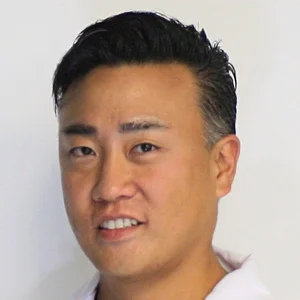
Sam Rhee sits down with Kim Clarkston @kjkc52 to talk about how CrossFit helps her rebuild confidence after a life upheaval and why the right gym culture can make training feel safe again. We connect coaching, parenting, nutrition, and inclusive education into one idea: strong communities are designed on purpose.
• Kim’s origin story with CrossFit after leaving a marriage as a young mom
• Choosing a gym based on coaching quality, safety, and community support
• Reframing strength for women who grew up being taught to stay small
• Raising three athletic kids with a focus on mindset, sleep, mobility, and joy
• What inclusive education teaches us about coaching, cues, and belonging
• Using structure like lanes and “chunking” to reduce anxiety and boost success
• Gardening, backyard chickens, and living values at home
• Buddhism as a practical philosophy of acceptance and shared space
• Future goals around fitness, trauma, inclusion, and community outreach
#crossfitcoach #CrossFitCommunity @CrossFitAffiliates #supportyourlocalbox #crossfitaffiliate #gymowner #HealthyLiving #GymLife #CrossFit #FitnessJourney #BotoxAndBurpees #podcast @botoxandburpeespodcast @crossfitbison @crossfit
Click on your podcast site to listen and subscribe!


TRANSCRIPT
Sam Rhee (00:01.08)
Welcome to another episode of Botox and Burpees. I have with me Kim, Kimberly, Clarkston. she is my very special guest today. She has been at Bison since 2022, although she's been CrossFitting longer than that, and I want to get into that start story as well. you have been a stalwart at Bison, and I want to talk a little bit about what Bison gives you, what you give back to Bison. I think that's a big deal.
And also about your professional life. So you have a lot of degrees. I mean, you are a professional. You are a super you are supervisor of curriculum and instruction at Banyan High School. You had you got a Bachelor of Arts and Literature in Secondary Education from American University, Masters in Teaching of English from Teachers College in Columbia, as well as a master's, two masters in applied behavior analysis from Northeastern.
Kim C (00:36.124)
Yeah.
Sam Rhee (00:58.41)
And you specialize in professional development. In addition to being an educator, you you specialize in professional development for educators and support staff. And as you just told me right now, you are on your way to getting your principal certification. So you are a constant learner here. That is amazing. Congratulations.
Kim C (01:18.608)
Yeah. Thank you. I think that's probably what I love about CrossFit too. There's always something more to learn, something to challenge your brain. I get bored really easily, hence all the degrees. So if every day is variable, then I'm never bored in my workout. So it it's a good crossover.
Sam Rhee (01:36.268)
That is such a good lesson for all of us. So tell me w where you started CrossFit, why you started it and and how that came about.
Kim C (01:46.575)
Yeah, so I've always loved intense you know workouts. I love spin class when that was a big thing. Hot yoga is my second very favorite type of workout to do. So I love the intensity. but I found prospect after kind of losing everything. So I was married and very quickly realized that I needed to do something else. so kind of left in the middle of the night with a 18 month old and a six week old.
And $20 in a bag of diapers. And as much as that was the right thing to do, it took a lot of a toll psychologically and mentally. So I decided I wanted to reclaim my strength and remind myself just how strong I am. And so I signed up for a Spartan. Loved every second of it. But while I was there, I was surrounded by all these people who were talking about CrossFit. And I thought, well, they look awesome and they look like the kind of people I want to surround myself with.
But can I hang? Am I fit enough? You know, I'm a mom of two, I'm a single mom of two. I I don't know. and so I was talking about it on a date actually with my current husband who said, No, you're super tough, you should go. And he actually gifted me a three-month membership to a CrossFit box near where we were living. And that's how I started. I started with someone else believing in me and seeing that it brought me joy.
And once I started, I couldn't stop. I 100%, you know, jumped in, drank the CrossFit Kool-Aid, talked to everyone in the world, bought all the equipment, you know, I was all the way in. then I got sick and had to take a break. And then I had my daughter, which is a gift, but also kind of derailed my training a little bit. and then I came back and I realized I loved the focus, I loved the intensity.
But I really wanted a box that was going to make me feel safe. I wanted a box that I knew I was going to have excellent coaches, people who were going to see me both as someone to teach, but also someone to support. And I wanted a community where that was really prevalent. So I'd heard a lot about CrossFit Bison. I'd seen you guys host the open. And so with a lot of self-doubt, I thought, well, let me try and see if they'll let me be a part of it.
Kim C (04:08.038)
And I walked in and I got my signed lane and everyone was so wonderful and welcoming. And it was right before Murph, so it was some crazy, you know, Murph warm-up that we were doing. And I thought this is exactly where I need to be. And so here I am.
Sam Rhee (04:24.93)
Now what was the original box that you were at?
Kim C (04:28.109)
So I started at the CrossFit box that was at Lakeside. And then Lakeside closed, and that box moved to Hawthorne, and that was just too hard for me to get to. Then a friend of mine joined CrossFit 201 in Oakland, which was a wonderful way to bridge into CrossFit. They were, I made some amazing community friends there. And then I decided I wanted to go to a box that was a little bit more competitive in nature. I saw bison people competing everywhere.
Sam Rhee (04:35.744)
Okay. Okay. Mm-hmm.
Mm-hmm.
Kim C (04:58.06)
And I felt like it was a good change for me just in terms of the rigor. Also, my husband was a coach at 201 and I had a lot of friends at 201. my daughter danced right next door. Yeah, so it was it was definitely a community, but there was something that I needed to be able to go and work out and have my community in a different location that I had kind of all these other family demands associated with. and I really wanted to improve.
Sam Rhee (04:58.67)
Mm-hmm.
Sam Rhee (05:10.496)
wow.
Sam Rhee (05:24.942)
Mm-hmm.
Kim C (05:26.975)
My technique and I really wanted to improve my cardio. And if there was a gym in the area that was kind of, you know, the peak of that, it was bison. And as you can tell, I like to go for the best, right? Like I if I'm going to do a program, I'm gonna do it at Columbia, or I'm going to do it northeastern. If I'm going to be a professional, I'm going to be the best in my profession. That's my perfectionist nature. So I need to train with the best if that's what I want. And so bison it is.
Sam Rhee (05:30.85)
Mm-hmm.
Sam Rhee (05:44.138)
Mm-hmm. Right.
Sam Rhee (05:51.15)
Mm-hmm.
Sam Rhee (05:56.685)
Now, I forgot to mention at the beginning that like if there's anything that you don't want on the podcast, we can we can certainly edit that. So just I wanted to say, give me what it took for you as a young mother to change your s your relationship, change your life, change your situation, and how hard was that at that time? Like what strength did that take?
Kim C (06:05.471)
Yeah, no problem.
Kim C (06:23.742)
Yeah. I've always worked in areas that people say are hard. So I've worked with gang members. I've worked in multiple corrections. in fact when I found myself a single mom with two infants, I was working at a corrections facility in Newark. So there was never a doubt that I could stay in places that other people find uncomfortable.
But what I didn't know was whether physically I could do it. Right. There was this understanding in my brain that I'm strong and that I didn't have a choice. I had to make this work. I had two children. I have a lifetime ahead of me. I needed to make it work, but I didn't trust my body the way that I trusted my mind. So being able to say, I know that I'm weak in areas.
That I don't want to be weak in. And I want people to see me as someone who is strong, not weak. And I'm kind, I'm a kind person, but that's often confused with weakness. So there was something about needing other people to see that I could do it. And and kind of the perfect story of that was, you know, I've been doing CrossFit for a few months at Lakeside. and
Sam Rhee (07:35.16)
Mm-hmm.
Kim C (07:50.696)
I was okay, you know, learning how to squat, learning how to move. I grew up dancing, but that's a very different way of seeing your body. Growing up in the eighties and nineties, right? We wanted to be skinny, you needed to be as thin as possible, right? You took up as little space as possible. So walking into a CrossFit box that says, No, get big, take up space, be loud, drop a bar. I mean, Sam, when I tell you hours of practicing dropping the bar because
Sam Rhee (07:59.257)
Mm-hmm.
Sam Rhee (08:19.448)
Mm-hmm.
Kim C (08:19.503)
I didn't want to disrupt anyone. I didn't want to break anything. I didn't want to get yelled at, right? Because that's just not how we were raised as women in that era, right? We were meant to be quiet and small and find your spot. So walking into a CrossFit gym and being able to say, This is my lane and this is my box and this is my workout and I need those weights and this is hard. So I'm gonna drop it and people are gonna cheer for me was such a mind shift.
And it made that connection between my mental and emotional strength that I never doubted and connected it to my physical strength. So the day that changed it really all connected, we were doing tire flips in the back of the lakeside gym. And I looked at this tire and I thought, there's no way I can flip a tire. There's no way. But I did it. And I was bruised and it was ugly, and you know, there's no form involved, right? But I flipped that tire.
Sam Rhee (09:01.582)
Mm-hmm.
Kim C (09:14.948)
And I think I grew three feet just in confidence. You know, my I walked home and we went pumpkin picking with the kids the next day and I kept saying, I could flip that tire, I could flip that tire, I could pick that up. Right. The confidence that no matter what came at me, whether it was psychological, emotional, or physical, I knew I was safe and I knew I could protect my family. And that's all I needed to then say, All right, doesn't matter. I got this. I can do this.
Sam Rhee (09:18.199)
Mm-hmm.
Kim C (09:42.638)
And I'm really blessed that my current husband, Cody, celebrates that and encourages that and will even like change his schedule to make sure that I get to the gym because he knows I need that kind of confidence building. and now Kieran is joining us for all the same reasons that we know CrossFit works.
Sam Rhee (09:46.414)
Mm-hmm.
Mm.
Sam Rhee (09:52.622)
Mm-hmm.
Sam Rhee (10:02.274)
So talk to me about your three children. and you mentioned Kiernan. So what is their involvement with athletics, with sports and you know, your sort of philosophy with your children with that?
Kim C (10:16.738)
Yeah, so I'm really blessed. My oldest is a junior. His name is Caden. He runs cross-country and track at Indian Hills. We have an incredible team this year. So they're ranked ninth, I think, right now in their division. He's running PRs consistently. one of the reasons that I think he does so well is because we constantly talk about fitness as a family. my husband's a physical therapist.
Obviously, I look at the behavioral side of things. So we talk about the mental state of challenge. We talk about picking something you can control and ignoring the rest of the results. We talk about the importance of sleep. We talk about the importance of mobility. So Caden has found his happy place. And it's something that we really encourage because we know running is something he can do for his lifetime. So he's found something that moving his body brings him joy. And that's all I want for my kids is.
When you are a father, when you are an employee, what are you going to do for you? How are you going to give back to you? And how are you going to continue to take care of yourself? Because that goes out the window pretty quickly as an adult. Kiernan is our sophomore. He is a huge baseball player. Many people at Bison have had an opportunity to meet him. He joined us this summer. And the reason he joined is because he wants to try to play D1 in college and he knows he needs more muscle.
Sam Rhee (11:39.148)
Mm-hmm.
Kim C (11:44.791)
So he joined to gave it a shot. And I have to tell you, watching my community of bison welcome my son has just been like my heart explodes. he actually plays for the same baseball club that Bobby used to play for, so they made that connection. Coach Keith is actually yeah, it's really cool. Coach Keith is working with him privately now for batting and pitching. So he's finding his own world. Mike S has
Sam Rhee (12:01.415)
wow.
Kim C (12:13.462)
just made him feel so welcome and kind of Kiernan keeps an eye on his goal, you know, for in terms of weights and times. Anthony and he have become kind of gym buddies right off the bat. So he is thriving in this way that is both physical and also really building this community of like-minded people, which, as you know, Sam, having a teenager in the world today and having them have role models that
take care of fitness, who know how to have fun, but know that there's a limit, who are responsible, who show up for each other and as a team. Those are the role models I want to surround my children with all the time. So
Go ahead.
Sam Rhee (12:59.988)
No, and listen, I think that that's awesome. I think it's I I like I when young people connect with young people at the gym, like with an Anthony. I know when my kids were there they always kinda gravitated towards seeing people their own age and obviously with Mike S, mentally he's he's a teenager probably anyway. So I'm sure he can they connect on that level. so that's great. I think
Kim C (13:25.936)
Yeah, they do.
Sam Rhee (13:27.83)
Yeah, he's just a youthful dude. So, that is fantastic. And I think most of us are like, my gosh, had we started CrossFit when we were younger, there's no telling where we would be. Now, most of that is just fantasy, honestly. I probably would be just as bad as I am now, even if I started if I was eighteen or fifteen. But for someone like him who has aspirations and has a primary sport, I think I have seen a lot of athletes, including
Kim C (13:30.037)
Yeah.
Sam Rhee (13:58.041)
Goofs the Goofsas, I'm butchering their last name, but the wrestlers, you know, just take that physical training and and apply that to their to their sport, and that's that's awesome.
Kim C (14:12.627)
Yeah, Kiernan's all the way in. Like I, you know, he practices his toes to bar and bar muscle ups in the backyard on our own place that, you know, he's really frustrated that he can't string together multiple double unders. And I'm like, I've been doing this for so many years. I still can't do a pull-up. I'm not even trying for double unders. Like, but it's so fun to watch your kids challenge themselves and find something that
Like, yeah, he could be at home on his computer. He could be snapping his friends, but he's outside working hard, not just for the baseball reps, but also for the CrossFit reps. and hearing him come home and talking about, like, I saw this video or I watched this YouTube video about this, and that's his brain is analytical that way, like mine. So I can appreciate how quickly you get kind of pulled into wanting to work on your technique and wanting to kind of get the nuance of a movement down so it's more effective and efficient.
But I think that that's Yeah, so then we have Charlotte who has been to the gym a few times. She did CrossFit Kids with Coach Adam two summers ago. But Charlotte is fourth grade, nine years old, and extremely competitive dancer. So she dances at a local studio that's known for their you know, competitive nature, but also their incredible development. So her goal is to dance in college.
Sam Rhee (15:08.386)
And then you have a and then you have a youngest.
Kim C (15:35.495)
But she also wants to be a professional CrossFitter. So she does wads at home with my husband. she does strength training, and we're seeing that in both the dance world where she's improving her strength and her flexibility and her confidence. but then also coming home and doing handstand push-ups and trying to do them without support because she saw it on the games, you know, where you could do the freestanding handstand push-ups. So a lot of it too.
With Charlotte especially, is knowing that she's seeing women's bodies in different ways, women using their bodies in powerful ways, women saying, I can be an athlete in the dance space, I can be an athlete in the gymnastic space, I can be an athlete in weightlifting, and all of that is beautiful and all of that is celebrated, all of that is valid. because like I said, growing up, that's not what we had, right? So for the fact that my daughter can see
what beautiful means and what strong means in a variety of ways just gives me so much hope and so much pride for how far we've come as women in our community. But also knowing that she's going to be in really good hands if she does feel stuck or like me, she finds herself kind of having lost everything, but knowing she can build again and that there's going to be a community of people to support her in doing that and people who have the same drive and mindset, right? Like
What a gift that is for our kids.
Sam Rhee (17:05.358)
Absolutely. Now, talk about you talked about challenging and facing challenges and certainly your professional life, you are certainly working with students in a way that is very challenging. You're Banyan High Schools, it's in Fairfield, is that correct? And they you focus on students who have learning challenges such as dyslexia or comprehension deficits, processing disorders, ADD.
how what is your work like and how do you address those challenges with these students?
Kim C (17:42.958)
Yeah, so this is absolutely a passion of mine. I love looking at an environment or looking at a task and wondering how can I make this accessible for everybody in the room, right? How does everybody in the room know what success looks like and how do we support them in achieving success? So my role at Thanyan, I'm both the district behaviorist, so I support the creation of learning environments. So looking at what are some ways that we can make school
welcoming, what are ways that we can invite, you know, set up a classroom so that if I have a light sensitivity or I have a difficult time expressing myself through language, what are other ways that I can make sure that that environment supports that? I also do a lot with regulation. So if you're feeling upset, if you're feeling overwhelmed, if you're feeling frustrated, what strategies do you use to focus? What strategies do you use to advocate for yourself?
That's something that a wide variety of our teens could learn, but especially learners who may not be successful in a more traditional classroom really benefit from. And then in addition, now I'm taking on the supervisor and hopefully one day a vice principal or principal position, is also ensuring that the staff have the confidence and the toolkit so that they are feeling like they can create entry points for every learner in the room.
Previous to the Anion, I worked for the New Jersey Coalition for Inclusive Education. That I traveled kind of around the state and worked with the DOE in trying to create more inclusive environments for our schools. New Jersey has incredible school systems, but we are really restrictive when it comes to inclusive education. So, how can we kind of continue to create environments where all learners are welcome, all learners are successful, all learners have the supports in place?
Where they can access academics and social and community. So it's really something that I love. Even when I was working in more restrictive environments like blocked units, that was really something that I brought to that space every time. How do I make sure that the person in front of me feels seen, feels welcome, feels heard, feels valued? And how can I design a world where they feel that way consistently?
Kim C (20:09.923)
without having to put forth so much effort on their own, right? How can we look at the world around us and and try to make it a place that's maybe a little bit less difficult for everyone to feel like they fit in? and that's
Sam Rhee (20:24.238)
Mm-hmm. And you know, that's really important. And I honestly, when I'm listening to you, and it this is not a joke, but I feel like all of these principles and these perspectives and how you educate people on some level can be applied almost everywhere, even at a CrossFit gym. I mean, as a coach, if you've ever taken a 55 year old and taught them how to do a clean, you realize
Kim C (20:27.168)
Go ahead.
Sam Rhee (20:50.794)
It's not just one way of teaching them. There's it's multimodal. If they're not listening to what you're saying or how you're cueing, like you have to work in many, many, many different ways in order to get that message through. And also, as you said, make them not feel ostracized or left out or not part of the group just because they are not capable of doing.
what everyone else in the class seems to be doing. And I think that that I think we've all had that feeling on some level, in some situation somewhere, you don't have to have a processing deficit to be in that situation. So these are pretty universal concepts and and as a coach, it is a very difficult or challenging process sometimes to make that person feel
valued the first time they step into a CrossFit class. So so you're speaking to all of us, I think, when when you talk about your educational approach and how you design your curriculum and and your learning. So I I get that. So yeah.
Kim C (22:01.235)
I do think
I was to say I do think that's one of the things I love most about CrossFit academically, right? It follows the principles that I believe in. So things like a differentiating instruction, that's what we call it. So finding different ways for different people to understand what we're asking, how we're asking it, how we're presenting that information. You guys do that inherently. You do your whiteboard brief, you model, you come around and check, right?
One of the things that we do a lot in behavior analysis is provide ongoing feedback in a timely manner. You guys do that constantly, right? I do a clean and someone's there telling me a correction or saying, you did that really well. Immediately I'm learning. I have that opportunity. The gym is designed to be a place where we're really using learning principles in the most effective way. And so it's not surprising that we see those results.
But I also think that's why people like me who maybe have a little bit more of an awareness or perhaps a reaction to when I don't feel safe or I don't feel like this is someone who has the best interest out for me, then I I don't feel as willing to take a risk. Or I might feel a little bit like, ooh, I don't I don't know if I really want to be vulnerable in a s in a situation situation like this, because I don't know that I'm surrounded by people who get all of those. But I feel that way at CrossFit Bison every time. And it even
assigning rows, which I know was, you know, not the case before I came, but coming in and knowing that that's where I stand takes away the anxiety of I'm new, who do I go next to? Is that someone's bar? Is I'm gonna be mad that I'm in their place, right? You guys have taken away a lot of those potential barriers for success. And I think you just do it inherently because of a focus on community, because of a focus on service, right? Service to others.
Kim C (23:57.391)
I've listened to a lot of your podcasts and talking about how the coaching mindset is one about ongoing growth, but also caring for others. And I think because of that, you're using all of those principles. You just don't know what they're called. But that's a beautiful, wonderful thing. I mean, even anyone who stood next to me at a whiteboard knows I don't like when people add up their reps, right? I don't want to know that if I'm doing four rounds of 10, then I'm going to be doing 40 of something. Because that's called chunking, right? It makes our brain not react.
Sam Rhee (24:13.038)
Mm.
Kim C (24:26.728)
I know I can do 10 wall balls. That's fine. Right. So my my adrenaline drops, my fear response drops. But if you said go do 40 unbroken wall balls, my response is going to increase. Like, that sounds awful. And can I? And my back's a little sore and I'm my shoulders a little off and I'm 45 years old. And really? Right? But when you present it in this approachable way, that's it. That's that's learning practices 101, right? Make the learner feel like they can be successful.
Give them the opportunity to pick the level with which they want to engage and then give them ongoing corrections and positive feedback. That's best learning practice. And that's what CrossFit does.
Sam Rhee (25:07.554)
Yes. That is exactly right. It's so funny. Our our last coaches meeting, we actually talked at length about lanes, why we do assign lanes and some thoughts about how we can best create community when we are putting these lane assignments together. So there's a lot that goes into it because also, you know, it's about bar height and you know, all this. But it there is and even but even like where you put someone
every day. For example, if they're always in the back or they're always in the front, like that that is impactful for that athlete as well as the class. So you're a very astute. Those things make a difference. There are things we talk about. and the whole chunking thing, yes, I made the mistake of thinking nothing except that I have to do 120 wall balls today. Not three sets of 40, not 10 at a time, not five at a time, and
Even after doing CrossFit forever, just the thought of having to do 120 wall balls put me in a crap mood until I just got through it. And I was like, you know what? That wasn't so bad. I just, yeah, did it exactly ten at a time or five at a time. Sometimes one at a time at the end, but that's okay. I got through it. And so it's that sort of thinking that is very helpful, not just in CrossFit, but for like you said, everything else. Like when you chunk it out and then you look back and you're like, wow, I can't believe I did all that.
I just took it one step at a time. That that is a recipe for success for students, but even for us like really old adults as well, like me. So I appreciate that. so speaking about getting stuff done, you have three children, you have a job, you have a family, like how how do you fitness, how do you work it in? What is what is your schedule like in terms of figuring all this out?
Kim C (26:46.702)
Mm.
Kim C (27:01.505)
Yeah, it's been the last year and a half has been tougher because I am also doing this principal program. So Tuesday night classes, Saturday day classes, plus, you know, cross country meets, baseball games, dance competitions. there's zero shot I could have done this without my family's support. So we do a lot of meal prep. We get all of our grocery shopping done on Sundays, we have the plan of what dinner is gonna look like.
And then there are certain nights a week that I know I'm responsible for cooking. There's certain nights a week my husband's takes it on. Even Caden, our oldest now, is starting to cook some nights a week, which is awesome. so in some ways it's sharing responsibility and recognizing that all of us bring something to the family and all of us need to support each other in achieving our goals. my kids yell at me when I don't go to the gym because I'm not as nice. And let's be honest. We all want a nice mom, right?
Sam Rhee (27:55.81)
Ha ha ha.
Kim C (27:58.261)
But there are days where I'm definitely grouchy and definitely s you know, losing my patience much faster than normal. And one of the boys will say, You gotta go to the gym, mom, get out of here, go, go to the gym. So they're seeing the impact of it. my husband 100% allows me to be successful. So when I decided to go back to school, he was the number one, like, yes, you doing this is gonna help children, it's gonna help adults, it's gonna make the world a better place.
That's one of the reasons that I, you know, wake up every day is to just do something good for someone else. so him agreeing to set his schedule up so that he can bring Charlotte to dance so that I can make it to the 515, or you know, willing to drive the boys at night, you know, to make sure they're home for curfew so that I can get to bed earlier so that I'm rested for the workout the next day. Things like that have really become crucial for my ability to remain.
Consistent as I can be. But there's also been times, and this is the most recent lesson I'm working on, still working on, is just accepting when I'm not going to be able to get there. So last year I didn't get to do the open. It was one of the first years I didn't do it in a long time. It was because the open season and competitive dance season is the same season. So I used to really get upset and really angry because I couldn't get to the gym consistently. We're traveling for competitions.
Competitions are Friday through Sunday, all day, all night. It's emotionally exhausting. You're not eating the way that you're used to eating. You know, you're not sleeping in your own bed. You have all of that stuff going on. And it's what my daughter loves. And she thrives and she glows and she needs me to be there for that. So once I accepted that this season of my life is going to be one where I'm not gonna show up and be able to do Friday night lights, it's not gonna be a consistent workout schedule for me for those three months.
And that's okay. And I can be excited for the times I show up. And it doesn't mean that I'm not a good gym mate. It doesn't mean that I'm not a good athlete. It means that I'm adapting to my environment the same way that I ask everyone else to adapt to their environment. It just took me a lot longer to figure it out and be okay with it. so that actually brought me a lot of peace. And I think is one of the reasons I could come back without the frustration of like, everything I lost, right? Like, I
Kim C (30:24.262)
I missed two weeks of the gym, like I've lost all my strength, I've lost all my conditioning, right? And yes, re-entry is difficult. And yes, you do have some fitness setbacks, but most importantly, it was like, I get to be here, I get to move. You say that all the time on your podcast, that it's the mindset, right? Like, it doesn't matter that I didn't get to come last week. I was a mom last week, or I was an employee last week, or I was a student last week. This week I get to be a bison athlete, and that never changed.
Sam Rhee (30:43.873)
Mm-hmm.
Sam Rhee (30:49.112)
Mm-hmm.
Kim C (30:54.212)
And so that really made a difference with my ability to tolerate the schedule changes that have to come with this, you know, season of life and being a parent.
Sam Rhee (31:03.63)
Absolutely. Talk to me a little bit about your friends at the gym. How have you met them? What what is your friendship like there? And and how do you guys work that?
Kim C (31:16.847)
Yeah, I'm really lucky because of my lane assignments, actually, is how I met a lot of my friends. I think my very first workout, I was next to Wendy, and for whatever reason, we immediately started talking about hot yoga, which had nothing to do with the workout, but somehow it came up and then she invited me to go to a hot yoga class with her. And how do you say no to a you know invitation like that? And so within minutes, I'm like, I already found people I get along with.
Heidi was another person who introduced herself very quickly and saying, you know, this is what we do here, and let me help you out, and here's the weights. and now she's someone who, you know, I text, we send reels to each other. Liz was hugely important in creating those friendships, right? Making sure that I'm talking to people and reminding me that it's okay to be new. and so
By meeting some people there and then they're introducing to each other. So I got to meet your wife and I get to meet Ella and I get to meet, right, like other people, but then just showing up. So Jazz and I have become friends, or knowing that Mike is keeping an eye out for my son, or you know, cheering for Anthony, because I his dad and I would talk about strongman competitions, right? So there's these networks that grow like the roots of the forest, and they're all interconnected. And you don't really realize it at the time. You're just enjoying your day.
But then, you know, you're out and you realize like I have all these friends who care about me and are checking on me. And even yesterday, a friend of mine who does not go to bison was at a game with her son and took a picture because there was a car there with a bison logo on the back, the bison magnet. And she's like, I know this is creepy, but I think one of your friends are here. Right. So it just and and that's someone that I just talk about the gym with at work, right? She's never even been to bison.
Sam Rhee (32:43.309)
Mm.
Kim C (33:11.673)
So I think so much of it is that natural you know, you show up, you complain about the workout, you talk about how badly you slept, you talk about how much your knees crack, and you do that enough times that it just becomes a place where you feel safe. It's a place you feel like you can be your best and your worst because we're all showing up for the same purpose. and some of those, you know, extended to even outside of the gym.
Sam Rhee (33:17.838)
Mm-hmm.
Kim C (33:38.648)
and some of those are so powerful, even if it's just for that hour in the gym, right? Even if it's not someone that I've ever gone out for dinner with or you know, went on a yoga retreat with, but it's someone that I know that I'm gonna go Tuesday at 515 and I'm gonna see that person's face. And them being there is really important, even without them knowing it, even without them being aware that I was looking forward to having someone else show up and do the hard work with.
Sam Rhee (34:06.104)
Have you ever dealt with injury through CrossFit? And if so, how d how did you handle that?
Kim C (34:12.331)
I have, yeah. It's unfortunate, right?
I think the worst one was I I injured my bicep and my elbow and it was a mess and took a really long time to get over. I think that was the hardest because I was still relatively new to the gym and I didn't want people to think that I couldn't hang, right? It was much more about the ego than it was about the recovery. and so not wanting to scale, right? Wanting to show people that I can keep up.
It had nothing to do with what my body needed. It had nothing to do with anyone else in the room, right? No one cares. If I had done body weight, they wouldn't care. They're just glad I'm there and I'm working hard. But in my head, I had to be lifting heavy. I couldn't be scaling. I had to be working for Rx every time. and that injury actually helped me take a step back and say, No, I'm not gonna be a games athlete, right? Like that's not the point. I like to do competitions. I
They give me something to work for. I love ones that have community outreach. So I try to do a competition, you know, for breast cancer awareness or addiction recovery or right. So it gives me a purpose beyond myself. But that's not why I go to CrossFit. and so being able to go in and say, I have to scale this one today and still feel like I got as much out of the workout as you know, the guy next to me who's Rx plusing it, that's really important. I also think my friend like Mark.
is a really great friend for me for that because we talk about like I'm not doing that. My body can't do that. Right. We always joke around that like rest is our moment to shine, right? We're the best at rest. and we are, we're very good, right? But more importantly, more importantly is I have a friend there who's like, I see you. You worked hard. You showed up. We moved our body. We always go harder than we say we're going to, right? But having someone else in the room who's like,
Sam Rhee (35:57.474)
Sam Rhee (36:01.153)
Ha ha ha ha.
Kim C (36:15.967)
You don't have to kill it today if you don't want to. I'm your friend. We showed up. We're gonna RX that rest for two minutes all day. That's the point, right? That's the whole point. So
Sam Rhee (36:25.878)
Mm-hmm.
How do you manage your nutrition with your family? if at all. I mean, it I know it's hard with three kids, or and then other parameters like sleep or recovery treatment, I don't know, whatever else you try to do for your health.
Kim C (36:44.382)
Yeah, so I have chronic Lyme disease, which is frustrating because it can lead to flare ups. So I'm very mindful about what I can and cannot eat. There's some foods that really don't work well in my body, and so I lead to lots of joint plain pain, inflammation, brain fog, you know, things like that. So I'm pretty restrictive about what I will or will not be able to eat. but that
Sam Rhee (37:11.288)
Mm-hmm.
Kim C (37:13.02)
we just work around that as a family. So like I said, my husband, he's so I avoid I any nightshade, no nightshades at all. so eggplant, red Yes it is. Yes. And there's, you know, there's a lot of of good reasoning behind it. I actually follow a lot of the seasonal eating or like the Ayurveda, which is like the yoga nutrition approach. So
Sam Rhee (37:17.186)
What do you avoid?
Sam Rhee (37:23.23)
okay.
That's very Tom Brady. You know, Tom Brady does that too, actually.
Sam Rhee (37:34.584)
Mm-hmm.
Kim C (37:41.072)
Eating what's available around you at the time, matching so the right now the weather's cold and rainy, so making sure that you're eating warm food so that you're not asking your body to do more. right, eating a warm breakfast so that your body's not having to use all that energy and causing indigestion. Be really mindful about the spices you're using, when you're using them, in what ways. I garden a lot. It's one of my favorite things to do outside of
Sam Rhee (37:50.723)
Mm-hmm.
Sam Rhee (38:03.176)
Mm-hmm. Mm-hmm.
Kim C (38:09.831)
CrossFit and parenting. so eating food that I've grown in my backyard. We have chickens, so having our you know, homegrown eggs, but also giving back, so using, you know, fertilizer and composting and so keeping things as natural as possible is something that I feel very passionate about. In addition, my husband being a PT. Yeah, we have chickens in the backyard. Uh-huh.
Sam Rhee (38:11.598)
Mm-hmm.
Sam Rhee (38:31.49)
Wait, you raise chickens at your house? You raise chickens at your house? How many do you have? Wow.
Kim C (38:39.281)
Well, we used to have fifteen. we're down to five now. The kids are kind of you know, they're getting ready to go to college and I am not going to go take care of the chickens every morning and every night. But Kiernan is actually our like in-house animal lover. So he wakes up every morning before school and checks on the chickens and feeds them, makes sure they have water. we do the evenings, we check for eggs, they come out in free roam.
Sam Rhee (38:59.65)
Uh-huh.
Mm-hmm.
Kim C (39:06.924)
so they'll get all the bugs out of the garden and the backyard. it's great. We we I love my chickens, they all have names. You know, they're really smart too. They are like you can teach them addition and subtraction and they have a song that we sing and they all come running home. So it's it's a lot of fun. So of course in my world of teaching and learning and behavior, so it gives me a good way to use my brain. Mm-hmm.
Sam Rhee (39:13.048)
That's awesome.
Sam Rhee (39:33.819)
can I ask what your chickens' names are actually?
Kim C (39:37.382)
So who do we have left? we used to have Victoria, who was a very fancy chicken. so she was named after like Queen Victoria. Elsa and Anna, of course, because we have a daughter. So one of them, one of them is red, and so she's Anna, because Anna had red hair, and Elsa has, you know, some sprinkly white, so she looks like she could be the snow queen. we have Aretha.
Sam Rhee (39:43.148)
Yeah.
Sam Rhee (40:02.795)
I see.
Kim C (40:04.294)
Aretha Franklin because this chicken loves to sing and make sure that you know she's there. and then we have Zelda, not after the video game, but F. Scott Fitzgerald, the author, is really yeah, so he wrote the Gate Gatsby, but
Sam Rhee (40:17.886)
right. So now
Yes, the character Zelda was in there. now not to be morbid or anything, but when they pass, do you eat them?
Kim C (40:31.012)
So we don't, you could, but layer chickens are designed to lay eggs, but not to have the heavy of the meat. so when you buy chickens, they're sh they're meat chickens, so they're designed to have the bigger breast muscle and the right. layer chickens aren't designed as much, so they're much gamier and a little bit leaner. we are Buddhist in my family and
Sam Rhee (40:33.952)
Okay.
Sam Rhee (40:40.769)
Okay.
Kim C (40:57.411)
Part of what we do is honor all living things, but we also have and we talk very openly about death and dying and kind of the life cycle. So when my chicken, when our chickens die or any of our other animals die, we talk about that very openly, but then we honor them for what they've done for us. We do eat meat, which you know some Buddhists do and some Buddhists don't, but nutritionally that's the best way for my family to get its protein. so that's what we do.
Sam Rhee (41:00.994)
Yes.
Sam Rhee (41:05.506)
Mm-hmm. Mm-hmm.
Sam Rhee (41:11.49)
Mm-hmm.
Hmm. Yes.
Sam Rhee (41:24.526)
Mm.
That is cool. I we recently traveled to Thailand and I learned a lot about I went I took a deep dive into Buddhism at the time. I mean, there are different you know, geographic areas have different sects, I suppose, or or out like ways of f following Buddhism, I suppose. is this something that you grew up with or is that something that you
Kim C (41:28.984)
Yeah.
Kim C (41:42.743)
Yeah, mm-hmm.
Sam Rhee (41:56.3)
became later in life in terms of your religion.
Kim C (42:00.983)
Yeah, so I was raised Catholic. when I went to school in DC at American, I met some people who s were Zen Buddhist and I they invited me to come join for a night and see what it was about and I went and loved it. liked the philosophy, liked the approach. I see the principles, right, that I care very deeply about in all religions, right? So this is just another way of
Sam Rhee (42:13.336)
Mm-hmm.
Sam Rhee (42:19.017)
Mm-hmm.
Sam Rhee (42:27.936)
Mm-hmm. Mm-hmm.
Kim C (42:30.518)
really celebrating that. And so from there I got to know some communities and found my teachers and ultimately took my vows as a lay person and chose to raise my children that way. my husband has learned a ton to support that. He does not identify as a Buddhist but he certainly celebrates those lessons that we share with our kids and the teachings. So I I've been really lucky I've had
Sam Rhee (42:48.238)
I kind of buy it.
Sam Rhee (42:54.392)
Mm-hmm.
Kim C (42:58.517)
Lots of different teachers come into my life, some close, some far, but being able to get those teachings and then live those teachings is I think very much aligned with who I am as a person, but also what our family cares and values most about being a member of the community and you know, of just a a living thing in the world.
Sam Rhee (43:01.56)
Mm-hmm.
Sam Rhee (43:08.013)
Mm-hmm.
Sam Rhee (43:17.132)
Mm.
You know, what was the thing that struck me the most was just how little I knew about the religion and its history. I mean, thousands and thousands of years and the complexity of the principles and what what is available and it is all also what struck me is the compatibility in terms of
most religions are they don't necessarily play nice with everybody. Let's just put it that way. And I think Buddhism is one where the acceptance and the openness in general in terms of life and others is was very striking. And and I think that that was something that was so positive. I I really felt you know, because Thai
Thailand is like ninety eight percent Buddhist or something like that and it it and just to see how that culture, like that permeated through everything, was was really amazing. It was it's it's something that I would encourage everyone to learn more about just because it's it's something that we know so little about in the United States and yet is so
so deep in terms of the level of complexity. But anyways, yeah, so that's really cool. I like that.
Kim C (44:39.689)
Yeah, I think you could I think you have a really good point here, right? Which is you can take the Buddhist principles and philosophies and embed them in anything else. But you don't have to identify it as that as your religion, but it could certainly be a philosophical approach, right? So recognizing that an ant is in my house doesn't mean that the ant has violated right this the sacredness of my space, but simply that ants live in the world too, right? So
We do things around our house, like when my garden is growing, I leave vegetables out for the groundhogs and the chicken or chipmunks and kind of other rodents that other people would fight to try to keep out of the garden. We make an offering plate for them. So it's not that I don't want you to eat my garden. I would prefer that you don't, right? But let me recognize that we're sharing a space. And so here, let me offer this to you. is certainly some of the ways that we as opposed to engaging with
trying to control others and trying to recognize again, how do I create an environment where everyone feels welcome in a way that is successful for everyone involved? And we can think about that beyond just humans.
Sam Rhee (45:51.233)
Mm. So tell me now, you're in the thick of it, I would say. You have children who are you know, in high school, a little you know, younger than that. You're continuing to educate yourself, moving on professionally. you've you're continuing to fitness and and find your way that in that regard, your health. So what is it that you're
goals are in the future. What are what is it that you're thinking about? What do you hope to achieve in every aspect of your life at this point?
Kim C (46:25.414)
Yeah, so you know, I'm excited to see what happens professionally with where I am. but ultimately what I would love to do, and this will probably be, you know, a retirement twenty year from now conversation, but a lot of the decisions that I make, professionally, personally, academically, are because I believe
that the intersection between fitness and trauma and fitness and acceptance and fitness and inclusion is is very, very powerful. And I do a lot of research about trauma and how crossfit and other kind of weightlifting programs can address that in others and we can support others who are going through a difficult time.
I especially am interested in the literature about recidivism for juvenile offenders. And so other states have set up where if a juvenile has committed, has committed a crime and is looking for some rehabilitary exercises or opportunities, they actually pair with CrossFit gyms because we know that CrossFit is so beneficial. So you get that sense of self, you get that sense of identity.
you're working on that individual goal, but you're doing it in this community way and the acute, you know, community accountability and kind of having an opportunity for that. I know we saw, I don't know if you saw that beautiful documentary about the gentleman that set up the gym for that you know recovery community and you know the incredible impact that he's having in his community there. So there's a lot of really incredible things happening for communities who maybe don't always get that level of support.
And so I would love to do more of that in the state of New Jersey. I'd love to bring more of that opportunity for individuals who maybe haven't had the opportunity to access a CrossFit gym. or maybe it's not CrossFit that they're looking for, right? But finding a community where you can also be moving your body in a way that's really meaningful and helping you process some challenges that you faced. Obviously, I'm speaking from my own personal experience or
Kim C (48:37.488)
you know, I kind of I got knocked down and had to start over again. And one of the ways that I did that and continuing to do that is with CrossFit. And I am seeing the research, I'm living it myself, I'm watching it happen. and so ultimately I would love to be much more active and much more of an advocate about ways we can use fitness and CrossFit and community relationships to improve the lives of others. so ultimately that's where I'd like to end up.
with part of what I'm doing here. I, you know, want to see my children happy and thriving. And so that means sacrifices on our end, of course, and that's fine. So maybe I don't, you know, have the the best trip of the year for the summer, but my summer is following Kiernan around for baseball tournaments and bringing Charlotte, you know, to dance competitions and running through the woods to cheer for Caden. That's the best gift I can get.
and hoping that we're giving them the foundation and the principles that when they get knocked down, they know they can come home and we'll figure it out together. But also knowing that they can walk into any space and be successful and and navigate what they need. I think that's all great. And I hope that as people share spaces, that we can be bringing that kind of loving and acceptance and wisdom with ourselves. So I try to bring that.
to anywhere I go and I hope to continue to doing that. So whether that's, you know, studying more with my teachers or just embodying it in the spaces, taking a day to say, what have I done well and what do I need to improve so that tomorrow I can be that person that maybe someone else really needed today, that's that's my ultimate goal.
Sam Rhee (50:25.848)
Yeah. I that's amazing. I look forward to seeing what the next five years brings for you in that regard. I will also say as a parent whose kids went through all their sports and no longer do that, at at this stage of their life, like yes, it totally stinks sometimes to be at a Hampton Inn, like way out in the middle of Delaware or Pennsylvania for a three day tournament and you're like
Kim C (50:50.112)
Yeah.
Sam Rhee (50:55.074)
Should I hope that they lose so we can get home sooner or not? Like that is the those those moments pass way too quickly. And and then you do wish that you had another opportunity, watch them do what is truly engaging for them, obviously. When they're in the middle of it, they're not thinking about anything else but their sport and that that is a joy for them, which is why they do it. but I completely understand when you're in the middle of it, it gets a little
Kim C (50:58.515)
Exactly. Yes.
Sam Rhee (51:23.82)
It gets a little rough, especially on those hot days in the summer, but but Kim, I do appreciate everything that you shared. I think I had no idea how many how deep you know, because you when you see people at the gym, you never know a lot, you know, you see what you see in terms of their, you know, their their working out, like, you know, their collegiality with others, their attitude, their positive.
feeling which I always get every time I see you at the gym, but you know, there's a depth to everybody that you you don't see sometimes. And sometimes we live really busy lives and we're not able to sort of kick back like we used to maybe ten or fifteen or twenty years ago and and get to know people better. And I feel like I'm so glad to have learned about your life and also take some of those lessons actually, you know, and apply them to mine.
I probably will never raise chickens because I'm terrible at raising anything, but I will definit No it's thanks. It's okay. You know, if you did that, there'd be a long line of people at Bison who are like, wait, I'm closer to Kim than he is. What what the heck? So it's okay. I but I've But
Kim C (52:24.586)
Well I can I'll just bring you some eggs. I can bring you some eggs and vegetables, that's fine.
Kim C (52:36.694)
I would like it's okay. That's all right. Every now and then I leave treats for people.
Sam Rhee (52:46.702)
I I take a lot of inspiration from your life and your family. So I I look forward to seeing you at the gym. I'm not a an evening person, but I'm gonna try to do more with that. And I hope you know, I'll be that one taking that RX rest right next to you when when we do. So I appreciate that. That is the best.
Kim C (53:02.781)
Yes. Okay. Come join the Resp Quad. Absolutely. Thank you, Sam. It's so lovely speaking with you. And you know, I get to be someone who watches your podcast and listens. And so I've learned so much about the people around me from, you know, your methodology and your interviews. And that allows me to bring even more gratitude and honor to the people with whom I'm working out, even though we don't have a chance to talk.
Right. So I know that everyone at Bison is bringing these incredible stories with them. And so yeah, the days that we're going to do 150 wall balls, and are you kidding? I I get to do that next to absolutely incredible human beings who are doing way more than 150 wall balls every day. So thank you for all that you do for our community. It's really, it's wonderful. And I have so much gratitude for what you do.
Sam Rhee (53:57.721)
I appreciate it. We do have some cool people. Thank you so much, Kim. I'll have a great Sunday and I hope the Eagles are still winning. I'll talk to you later. Bye.
Kim C (54:00.37)
Yeah, we do.
Kim C (54:05.031)
Yes, go birds. Thanks, Sam. Bye.